Why GEO Matters

Generative Engine Optimization Guide
Why GEO Matters

Generative Engine Optimization Guide

Why GEO Matters

Generative Engine Optimization Guide

Summarize with AI

Sep 10, 2025

2 min read

TL;DR

Your searching behavior may not be how it was before. Suppose you decide to search for a time management app. A few years back, you would go for a Google search or any search engine. But now, think about it, wouldn’t you ask an LLM like ChatGPT, Perplexity or Claude to suggest you some best SaaS products or companies? Because, let’s face it, who has the time to go through all top 10 search results in Google and evaluate the right app/tool when LLM’s can do the heavy lifting for you? If you are a SaaS founder and want your product to be cited on LLM’s too, this blog is for you. Firstly there is search engine optimization that makes sure your SaaS website rank on Google search engine, it means people will find you first when they search within your niche. Then there is generative engine optimization that makes your website rank on and get discovered by AI chatbots and LLMs. This article will go deep into GEO, what it is, and what strategies to apply for implementing GEO for your SaaS product.

The New Normal: What is GEO and How it Works Better

Generative Engines are the Large Language Models (LLMs) such as ChatGPT, Claude, Perplexity, Grok, Gemini etc. that generate answers as you ask them. 

If anyone searches about your product in any of these generative engines, the answers are not pulled from your website only, but they are a reflection of user generated content such as blogs and forums.

So, LLMs results are based on what people are talking about the searched topic. This is the new normal we’re talking about, people’s referral gets the priority. 

Now what is GEO or generative engine optimization? 

Just like search engine optimization where you optimize and modify your content to rank in google, for GEO, you optimize and modify your content for LLMs to crawl your content related to your product so that your product ranks in the LLM searches. 

LLM search results consists of- 

  • Content from blogs, forums and documentations crawled by AI engines

  • User generated content from social media discussions specifically about the searched product/topic pulled up by the AI engines

  • Community discussions and testimonials strong enough to reach the AI engines

  • Most backlinked and cited content that are also schema marked

Different generative engines fetch information from different sources. For example,
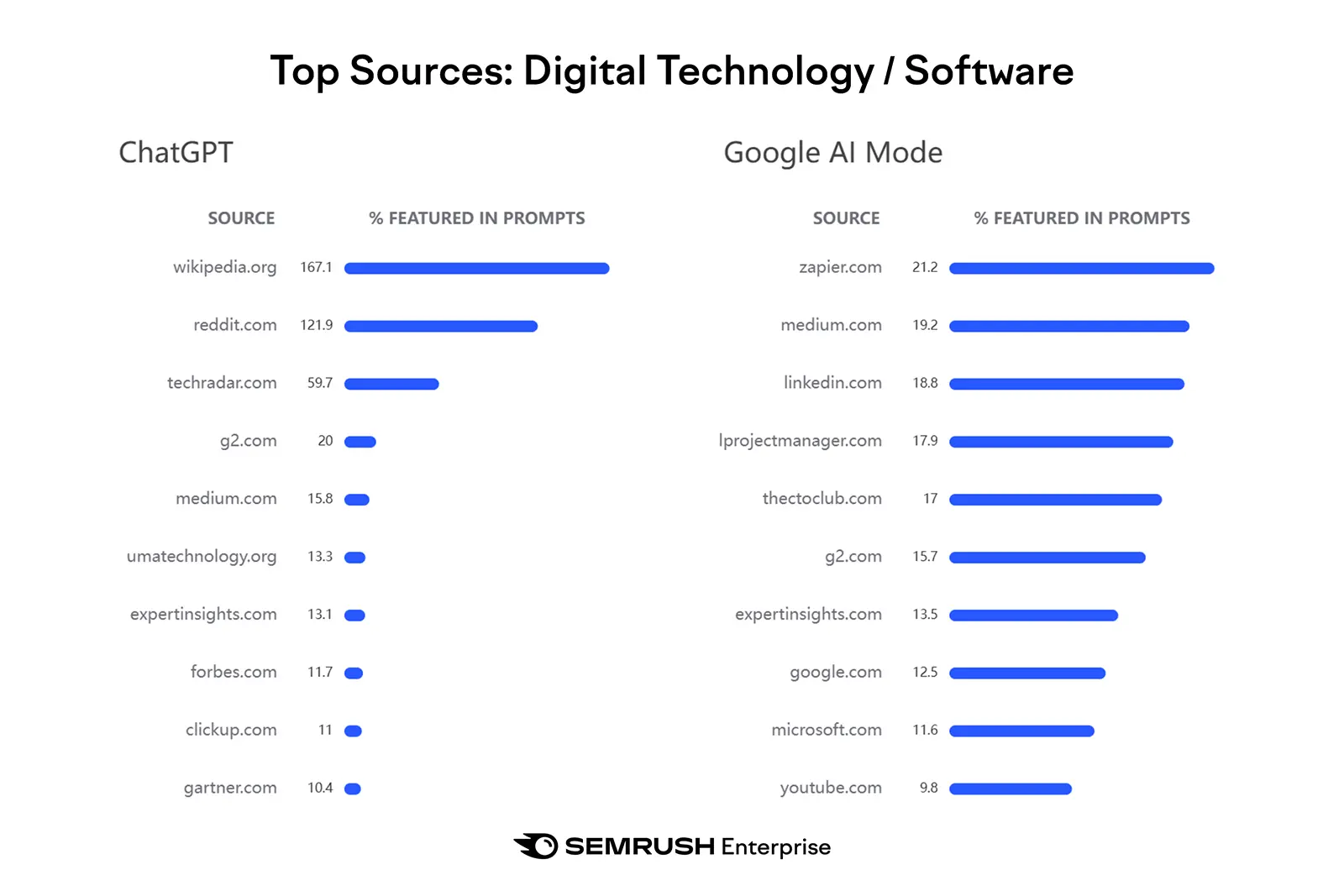
Where ChatGPT fetches content from

Source: How AI Search Really Works: Findings from Our AI Visibility Study

  • ChatGPT fetches content from google ranked and SEO optimized user generated content, such as SEO optimized blogs and articles that are ranking

  • Perplexity fetches content from Reddit discussions and forum mentions

  • Grok fetches results from real time discussions on twitter and social media

  • Claude and Gemini prefer to generate nuanced and detailed results inspired by information from sources trusted by people online. 

Why does generative engine optimization work in a more nuanced way than traditional search you may think? 

Well, it does not entirely reject search engine optimization, in fact, GEO often includes results from SEO content. But it goes beyond the old model in terms of relying on content that is directly contributed by people’s real experience, not only ranking focused optimization.

Generative Engines are the Large Language Models (LLMs) such as ChatGPT, Claude, Perplexity, Grok, Gemini etc. that generate answers as you ask them. 

If anyone searches about your product in any of these generative engines, the answers are not pulled from your website only, but they are a reflection of user generated content such as blogs and forums.

So, LLMs results are based on what people are talking about the searched topic. This is the new normal we’re talking about, people’s referral gets the priority. 

Now what is GEO or generative engine optimization? 

Just like search engine optimization where you optimize and modify your content to rank in google, for GEO, you optimize and modify your content for LLMs to crawl your content related to your product so that your product ranks in the LLM searches. 

LLM search results consists of- 

  • Content from blogs, forums and documentations crawled by AI engines

  • User generated content from social media discussions specifically about the searched product/topic pulled up by the AI engines

  • Community discussions and testimonials strong enough to reach the AI engines

  • Most backlinked and cited content that are also schema marked

Different generative engines fetch information from different sources. For example,

Where ChatGPT fetches content from

Source: How AI Search Really Works: Findings from Our AI Visibility Study

  • ChatGPT fetches content from google ranked and SEO optimized user generated content, such as SEO optimized blogs and articles that are ranking

  • Perplexity fetches content from Reddit discussions and forum mentions

  • Grok fetches results from real time discussions on twitter and social media

  • Claude and Gemini prefer to generate nuanced and detailed results inspired by information from sources trusted by people online. 

Why does generative engine optimization work in a more nuanced way than traditional search you may think? 

Well, it does not entirely reject search engine optimization, in fact, GEO often includes results from SEO content. But it goes beyond the old model in terms of relying on content that is directly contributed by people’s real experience, not only ranking focused optimization.

Generative Engines are the Large Language Models (LLMs) such as ChatGPT, Claude, Perplexity, Grok, Gemini etc. that generate answers as you ask them. 

If anyone searches about your product in any of these generative engines, the answers are not pulled from your website only, but they are a reflection of user generated content such as blogs and forums.

So, LLMs results are based on what people are talking about the searched topic. This is the new normal we’re talking about, people’s referral gets the priority. 

Now what is GEO or generative engine optimization? 

Just like search engine optimization where you optimize and modify your content to rank in google, for GEO, you optimize and modify your content for LLMs to crawl your content related to your product so that your product ranks in the LLM searches. 

LLM search results consists of- 

  • Content from blogs, forums and documentations crawled by AI engines

  • User generated content from social media discussions specifically about the searched product/topic pulled up by the AI engines

  • Community discussions and testimonials strong enough to reach the AI engines

  • Most backlinked and cited content that are also schema marked

Different generative engines fetch information from different sources. For example,

Where ChatGPT fetches content from

Source: How AI Search Really Works: Findings from Our AI Visibility Study

  • ChatGPT fetches content from google ranked and SEO optimized user generated content, such as SEO optimized blogs and articles that are ranking

  • Perplexity fetches content from Reddit discussions and forum mentions

  • Grok fetches results from real time discussions on twitter and social media

  • Claude and Gemini prefer to generate nuanced and detailed results inspired by information from sources trusted by people online. 

Why does generative engine optimization work in a more nuanced way than traditional search you may think? 

Well, it does not entirely reject search engine optimization, in fact, GEO often includes results from SEO content. But it goes beyond the old model in terms of relying on content that is directly contributed by people’s real experience, not only ranking focused optimization.

Why is GEO Important for SaaS Now?

Here’s why GEO is important for SaaS (especially now). 

Users’ Reliance on LLMs

As we know, the user's search behavior is changing. 

Imagine yourself as an example. The rise in popularity and convenience of LLMs is revolutionizing the early funnel. People are leaning more towards generative engines because you can get a personalized result based on specific prompts. 

You can write every specific thing in a SaaS product for the AI chat prompt, and you’ll get a personalized and customized result for you, which is definitely more convenient and helpful than general search engine results. 

LLMs’ Reliance on Semantic Relevance of Content 

LLMs do not depend on indexing and optimization like google. They carefully crawl and analyze related content for its semantic value. 

Now what is semantic value? It refers to the genuine helpfulness of the content for the readers. 

Where ChatGPT fetches content from (Semrush)

Some factors to keep in mind for semantic relevance are:

  • Having relativity and topical clusters

  • Being NLP aligned, having a clear conversational structure

  • Having proper formatting like headings, bulleted lists etc. 

Building Authority in The AI Channels 

In the case of generative AI tools, brand authority depends on if your product is discussed in the content from where AI is pulling information. If you are 

  • Consistently mentioned in public discussions on your niche,

  • Regularly present and mentioned in user-driven platforms like Reddit and X (formerly Twitter) for discussions of your tools or products, 

You are more likely to be pulled in GEO, increasing your brand authority in the AI channels.

Here’s why GEO is important for SaaS (especially now). 

Users’ Reliance on LLMs

As we know, the user's search behavior is changing. 

Imagine yourself as an example. The rise in popularity and convenience of LLMs is revolutionizing the early funnel. People are leaning more towards generative engines because you can get a personalized result based on specific prompts. 

You can write every specific thing in a SaaS product for the AI chat prompt, and you’ll get a personalized and customized result for you, which is definitely more convenient and helpful than general search engine results. 

LLMs’ Reliance on Semantic Relevance of Content 

LLMs do not depend on indexing and optimization like google. They carefully crawl and analyze related content for its semantic value. 

Now what is semantic value? It refers to the genuine helpfulness of the content for the readers. 

Where ChatGPT fetches content from (Semrush)

Some factors to keep in mind for semantic relevance are:

  • Having relativity and topical clusters

  • Being NLP aligned, having a clear conversational structure

  • Having proper formatting like headings, bulleted lists etc. 

Building Authority in The AI Channels 

In the case of generative AI tools, brand authority depends on if your product is discussed in the content from where AI is pulling information. If you are 

  • Consistently mentioned in public discussions on your niche,

  • Regularly present and mentioned in user-driven platforms like Reddit and X (formerly Twitter) for discussions of your tools or products, 

You are more likely to be pulled in GEO, increasing your brand authority in the AI channels.

Here’s why GEO is important for SaaS (especially now). 

Users’ Reliance on LLMs

As we know, the user's search behavior is changing. 

Imagine yourself as an example. The rise in popularity and convenience of LLMs is revolutionizing the early funnel. People are leaning more towards generative engines because you can get a personalized result based on specific prompts. 

You can write every specific thing in a SaaS product for the AI chat prompt, and you’ll get a personalized and customized result for you, which is definitely more convenient and helpful than general search engine results. 

LLMs’ Reliance on Semantic Relevance of Content 

LLMs do not depend on indexing and optimization like google. They carefully crawl and analyze related content for its semantic value. 

Now what is semantic value? It refers to the genuine helpfulness of the content for the readers. 

Where ChatGPT fetches content from (Semrush)

Some factors to keep in mind for semantic relevance are:

  • Having relativity and topical clusters

  • Being NLP aligned, having a clear conversational structure

  • Having proper formatting like headings, bulleted lists etc. 

Building Authority in The AI Channels 

In the case of generative AI tools, brand authority depends on if your product is discussed in the content from where AI is pulling information. If you are 

  • Consistently mentioned in public discussions on your niche,

  • Regularly present and mentioned in user-driven platforms like Reddit and X (formerly Twitter) for discussions of your tools or products, 

You are more likely to be pulled in GEO, increasing your brand authority in the AI channels.

How SEO and GEO Coexist

Similarity analysis with Google: 

  • While search engine optimization works as the base of generative engine optimization, LLM driven rankings are getting more significant, with users’ behavior shift. 

  • As they lean more towards generative platforms for the results of their problems, the traffic towards LLMs is also growing (80.92% rapid year-on-year growth in traffic for AI chatbots from 2024 to 2025). 

  • However, SEO ranking and GEO ranking are not the same. Here’s why: 

LLM and Search Engine Similarity Analysis (Rank WIzards)

The key insights from this table are,

  • The search engine operates differently from LLMs, which shows low similarity scores across the board

  • ChatGPT and DeepSeek have the highest similarity of 42.21%, indicating that their result generating sources and approach may be similar. 

  • Even though the AI platforms have somewhat similarity with each other, their similarity percentage with Google is comparatively low, the highest being 19.49%.

  • The results suggest that GEO needs different approaches from SEO. 

  • However, when it comes to LLM ranking, our research shows that in LLM results, rankings are fetched from blogs that rank in google (SEO)

Generative engine optimization is not going to replace search engine optimization, in fact it is built upon the traditional model. A lot of rules of SEO are applied on GEO, that’s how they’re connected. 

Generally, SEO makes sure your content is visible and accessible on the web, so that Google can crawl your content and rank it higher if Google finds it worth it. GEO relies on crawlability as well. 

These two models are directly connected to each other, because search engine optimized content helps generative engines pull content from Google, if the following conditions are met:  

  • NLP optimization and semantic relevance

  • Clearly written and easily understandable content 

  • Implementation of internal links

  • URL structure maintenance

  • Site structure improvements

  • EEAT (Expertise, Experience, Authority, Trust) within the  content

These allow both search engine and generative engine bots to crawl your content.  

If your blog post about your SaaS product does not have the qualities of SEO, it will be difficult for it to have GEO crawlability.

Even though generative engines are a step up from search engines, SEO works as the basis for GEO. 

Here’s how: 

Key Points

Search Engine Optimization 

Generative Engine Optimization 

What it is for

For Search Engines like Google and/or Bing

For getting cited in LLM results 

Search Types 

Keyword based search 

Natural language based search 

Content Accessibility 

Crawled and indexed by Google bot or other search engine

Information fetched by LLM bots from user generated content online 

Focused Content 

Depends on comprehensive blogs, landing pages

Depends on question-answer/discussion based forums, social media discussions 

Bot Accessibility

Must be accessed by search engine bots

Must be accessed by AI bots

Trust Signals

Backlinks, domain authority and content quality are the trust signals 

EEAT and semantic expert-authored content are the trust signals

Platforms 

Platforms are Google, Bing,Yahoo

Platforms are ChatGPT, Perplexity, Grok, Claude, Gemini

Similarity analysis with Google: 

  • While search engine optimization works as the base of generative engine optimization, LLM driven rankings are getting more significant, with users’ behavior shift. 

  • As they lean more towards generative platforms for the results of their problems, the traffic towards LLMs is also growing (80.92% rapid year-on-year growth in traffic for AI chatbots from 2024 to 2025). 

  • However, SEO ranking and GEO ranking are not the same. Here’s why: 

LLM and Search Engine Similarity Analysis (Rank WIzards)

The key insights from this table are,

  • The search engine operates differently from LLMs, which shows low similarity scores across the board

  • ChatGPT and DeepSeek have the highest similarity of 42.21%, indicating that their result generating sources and approach may be similar. 

  • Even though the AI platforms have somewhat similarity with each other, their similarity percentage with Google is comparatively low, the highest being 19.49%.

  • The results suggest that GEO needs different approaches from SEO. 

  • However, when it comes to LLM ranking, our research shows that in LLM results, rankings are fetched from blogs that rank in google (SEO)

Generative engine optimization is not going to replace search engine optimization, in fact it is built upon the traditional model. A lot of rules of SEO are applied on GEO, that’s how they’re connected. 

Generally, SEO makes sure your content is visible and accessible on the web, so that Google can crawl your content and rank it higher if Google finds it worth it. GEO relies on crawlability as well. 

These two models are directly connected to each other, because search engine optimized content helps generative engines pull content from Google, if the following conditions are met:  

  • NLP optimization and semantic relevance

  • Clearly written and easily understandable content 

  • Implementation of internal links

  • URL structure maintenance

  • Site structure improvements

  • EEAT (Expertise, Experience, Authority, Trust) within the  content

These allow both search engine and generative engine bots to crawl your content.  

If your blog post about your SaaS product does not have the qualities of SEO, it will be difficult for it to have GEO crawlability.

Even though generative engines are a step up from search engines, SEO works as the basis for GEO. 

Here’s how: 

Key Points

Search Engine Optimization 

Generative Engine Optimization 

What it is for

For Search Engines like Google and/or Bing

For getting cited in LLM results 

Search Types 

Keyword based search 

Natural language based search 

Content Accessibility 

Crawled and indexed by Google bot or other search engine

Information fetched by LLM bots from user generated content online 

Focused Content 

Depends on comprehensive blogs, landing pages

Depends on question-answer/discussion based forums, social media discussions 

Bot Accessibility

Must be accessed by search engine bots

Must be accessed by AI bots

Trust Signals

Backlinks, domain authority and content quality are the trust signals 

EEAT and semantic expert-authored content are the trust signals

Platforms 

Platforms are Google, Bing,Yahoo

Platforms are ChatGPT, Perplexity, Grok, Claude, Gemini

Similarity analysis with Google: 

  • While search engine optimization works as the base of generative engine optimization, LLM driven rankings are getting more significant, with users’ behavior shift. 

  • As they lean more towards generative platforms for the results of their problems, the traffic towards LLMs is also growing (80.92% rapid year-on-year growth in traffic for AI chatbots from 2024 to 2025). 

  • However, SEO ranking and GEO ranking are not the same. Here’s why: 

LLM and Search Engine Similarity Analysis (Rank WIzards)

The key insights from this table are,

  • The search engine operates differently from LLMs, which shows low similarity scores across the board

  • ChatGPT and DeepSeek have the highest similarity of 42.21%, indicating that their result generating sources and approach may be similar. 

  • Even though the AI platforms have somewhat similarity with each other, their similarity percentage with Google is comparatively low, the highest being 19.49%.

  • The results suggest that GEO needs different approaches from SEO. 

  • However, when it comes to LLM ranking, our research shows that in LLM results, rankings are fetched from blogs that rank in google (SEO)

Generative engine optimization is not going to replace search engine optimization, in fact it is built upon the traditional model. A lot of rules of SEO are applied on GEO, that’s how they’re connected. 

Generally, SEO makes sure your content is visible and accessible on the web, so that Google can crawl your content and rank it higher if Google finds it worth it. GEO relies on crawlability as well. 

These two models are directly connected to each other, because search engine optimized content helps generative engines pull content from Google, if the following conditions are met:  

  • NLP optimization and semantic relevance

  • Clearly written and easily understandable content 

  • Implementation of internal links

  • URL structure maintenance

  • Site structure improvements

  • EEAT (Expertise, Experience, Authority, Trust) within the  content

These allow both search engine and generative engine bots to crawl your content.  

If your blog post about your SaaS product does not have the qualities of SEO, it will be difficult for it to have GEO crawlability.

Even though generative engines are a step up from search engines, SEO works as the basis for GEO. 

Here’s how: 

Key Points

Search Engine Optimization 

Generative Engine Optimization 

What it is for

For Search Engines like Google and/or Bing

For getting cited in LLM results 

Search Types 

Keyword based search 

Natural language based search 

Content Accessibility 

Crawled and indexed by Google bot or other search engine

Information fetched by LLM bots from user generated content online 

Focused Content 

Depends on comprehensive blogs, landing pages

Depends on question-answer/discussion based forums, social media discussions 

Bot Accessibility

Must be accessed by search engine bots

Must be accessed by AI bots

Trust Signals

Backlinks, domain authority and content quality are the trust signals 

EEAT and semantic expert-authored content are the trust signals

Platforms 

Platforms are Google, Bing,Yahoo

Platforms are ChatGPT, Perplexity, Grok, Claude, Gemini

Technical Optimization for GEO

Technical optimization of content is essential for it to be GEO friendly beyond just good writing. Some technical optimization steps allow your content to be accessible and interpretable to machines and AI chat bots. Let’s go through some of the content optimization techniques for GEO. 

Robots.txt

Proper configuration of Robots.txt makes it clear which content is allowed to be crawled by AI and which content is not. Leaving out Robots.txt prevents your content from being seen by google AI.

Schema Markup

Schema Markup is a code that you add to your website before publication so that an AI engine can not only know what your content says but understand what it means with context.

While uploading your content on the CMS, you apply the schema markup. With schema markup, search engines characterize and categorize the content of a blog or website, which helps generative engines find, crawl and understand the content  better.  

Content Optimization

LLMs do not just crawl or skim through your content or website, they analyze your content by meaning and decide if it is good enough to be included in generative results. For LLM optimization,

  • You need to use conversational and easy to understand language in writing 

  • Use headings and subheadings properly to present content in a hierarchical way

  • Include well-cited and correct trustworthy information if you’re putting any data

Sitemap

Simply, a sitemap is the map or blueprint of your website that you upload on your CMS while uploading your content, for search engine and generative engine crawlability. Sitemaps make it clear for your search and generative engines which page of your website contains the most relevant content for them to fetch. 

Technical optimization of content is essential for it to be GEO friendly beyond just good writing. Some technical optimization steps allow your content to be accessible and interpretable to machines and AI chat bots. Let’s go through some of the content optimization techniques for GEO. 

Robots.txt

Proper configuration of Robots.txt makes it clear which content is allowed to be crawled by AI and which content is not. Leaving out Robots.txt prevents your content from being seen by google AI.

Schema Markup

Schema Markup is a code that you add to your website before publication so that an AI engine can not only know what your content says but understand what it means with context.

While uploading your content on the CMS, you apply the schema markup. With schema markup, search engines characterize and categorize the content of a blog or website, which helps generative engines find, crawl and understand the content  better.  

Content Optimization

LLMs do not just crawl or skim through your content or website, they analyze your content by meaning and decide if it is good enough to be included in generative results. For LLM optimization,

  • You need to use conversational and easy to understand language in writing 

  • Use headings and subheadings properly to present content in a hierarchical way

  • Include well-cited and correct trustworthy information if you’re putting any data

Sitemap

Simply, a sitemap is the map or blueprint of your website that you upload on your CMS while uploading your content, for search engine and generative engine crawlability. Sitemaps make it clear for your search and generative engines which page of your website contains the most relevant content for them to fetch. 

Technical optimization of content is essential for it to be GEO friendly beyond just good writing. Some technical optimization steps allow your content to be accessible and interpretable to machines and AI chat bots. Let’s go through some of the content optimization techniques for GEO. 

Robots.txt

Proper configuration of Robots.txt makes it clear which content is allowed to be crawled by AI and which content is not. Leaving out Robots.txt prevents your content from being seen by google AI.

Schema Markup

Schema Markup is a code that you add to your website before publication so that an AI engine can not only know what your content says but understand what it means with context.

While uploading your content on the CMS, you apply the schema markup. With schema markup, search engines characterize and categorize the content of a blog or website, which helps generative engines find, crawl and understand the content  better.  

Content Optimization

LLMs do not just crawl or skim through your content or website, they analyze your content by meaning and decide if it is good enough to be included in generative results. For LLM optimization,

  • You need to use conversational and easy to understand language in writing 

  • Use headings and subheadings properly to present content in a hierarchical way

  • Include well-cited and correct trustworthy information if you’re putting any data

Sitemap

Simply, a sitemap is the map or blueprint of your website that you upload on your CMS while uploading your content, for search engine and generative engine crawlability. Sitemaps make it clear for your search and generative engines which page of your website contains the most relevant content for them to fetch. 

The Importance of Social Discussion in GEO

As we’ve discussed earlier, for LLMs and generative engines, your product’s information provided by your website is not the only source of information for generating results. In fact, user generated content about your product and what people are talking about you, are relatively more important in generating results. 

LLMs fetch information about you from what people are talking about you in social media and public forums. The AI tools mimic reasoning. That’s why, for queries, they mimic human answers by pulling from discussions based on human experiences. 

To be included in generative AI’s search results, real people need to talk about and discuss your product. Reviews, product comparisons, analysis, are solid sources of knowledge for AI search results. 

You should take advantage of AI prioritizing users’ reviews by encouraging the users of your product to participate in such discussions where they can bring up your product and compare it with others. So that you are mentioned in such discussion forums and AI picks you up too as their recommendation.

As we’ve discussed earlier, for LLMs and generative engines, your product’s information provided by your website is not the only source of information for generating results. In fact, user generated content about your product and what people are talking about you, are relatively more important in generating results. 

LLMs fetch information about you from what people are talking about you in social media and public forums. The AI tools mimic reasoning. That’s why, for queries, they mimic human answers by pulling from discussions based on human experiences. 

To be included in generative AI’s search results, real people need to talk about and discuss your product. Reviews, product comparisons, analysis, are solid sources of knowledge for AI search results. 

You should take advantage of AI prioritizing users’ reviews by encouraging the users of your product to participate in such discussions where they can bring up your product and compare it with others. So that you are mentioned in such discussion forums and AI picks you up too as their recommendation.

As we’ve discussed earlier, for LLMs and generative engines, your product’s information provided by your website is not the only source of information for generating results. In fact, user generated content about your product and what people are talking about you, are relatively more important in generating results. 

LLMs fetch information about you from what people are talking about you in social media and public forums. The AI tools mimic reasoning. That’s why, for queries, they mimic human answers by pulling from discussions based on human experiences. 

To be included in generative AI’s search results, real people need to talk about and discuss your product. Reviews, product comparisons, analysis, are solid sources of knowledge for AI search results. 

You should take advantage of AI prioritizing users’ reviews by encouraging the users of your product to participate in such discussions where they can bring up your product and compare it with others. So that you are mentioned in such discussion forums and AI picks you up too as their recommendation.

Distribution Strategies for Establishing GEO

Content development is merely the first step, you need to strategise the distribution of your content for AI to pick it up. Let’s discuss distribution strategies to establish GEO. 

Semantic and NLP Optimization

Make content that is semantically optimized, which means structuring your content in a way that helps search engines and AI clearly understand the meaning, context and relationship between words. Semantic optimization makes sure it is easy for AI understanding, has clear and hierarchical structure, FAQs, and easy for LLMs to accurately interpret. 

Earned and Paid Backlinks from Bloggers and Journalists 

Both earned and paid backlinks from trusted sources increase your content’s value and credibility in SEO itself, also in GEO. More cited content gets more recommendations from AI as it is flagged as more trusted by people. 

Digital PR for Guest Posting

Publishing guest content on high authority sites opens up a new audience for you, more people learn about your SaaS, increasing the possibility of more new users, increasing engagement with more user experience.

Influencer Marketing

You can ask product influencers to review your product through twitter, youtube, reddit or other social media channels, so that it contributes to the social discussion about your product. 

Distribution in public domains

Distribute your content and blogs in open access platforms to increase accessibility and AI crawlability. Open access content gets AI cited and recommended way more than gated content. 

Monitoring Citations

Keep monitoring if you’re ranking in search engines and generative engines, which content of yours is ranking, to know and be sure of what is working and what isn’t.

You can monitor and observe with tools like:

  • PromptWatch

  • Brand24

  • Mention

  • Ahrefs

  • Semrush

Content development is merely the first step, you need to strategise the distribution of your content for AI to pick it up. Let’s discuss distribution strategies to establish GEO. 

Semantic and NLP Optimization

Make content that is semantically optimized, which means structuring your content in a way that helps search engines and AI clearly understand the meaning, context and relationship between words. Semantic optimization makes sure it is easy for AI understanding, has clear and hierarchical structure, FAQs, and easy for LLMs to accurately interpret. 

Earned and Paid Backlinks from Bloggers and Journalists 

Both earned and paid backlinks from trusted sources increase your content’s value and credibility in SEO itself, also in GEO. More cited content gets more recommendations from AI as it is flagged as more trusted by people. 

Digital PR for Guest Posting

Publishing guest content on high authority sites opens up a new audience for you, more people learn about your SaaS, increasing the possibility of more new users, increasing engagement with more user experience.

Influencer Marketing

You can ask product influencers to review your product through twitter, youtube, reddit or other social media channels, so that it contributes to the social discussion about your product. 

Distribution in public domains

Distribute your content and blogs in open access platforms to increase accessibility and AI crawlability. Open access content gets AI cited and recommended way more than gated content. 

Monitoring Citations

Keep monitoring if you’re ranking in search engines and generative engines, which content of yours is ranking, to know and be sure of what is working and what isn’t.

You can monitor and observe with tools like:

  • PromptWatch

  • Brand24

  • Mention

  • Ahrefs

  • Semrush

Content development is merely the first step, you need to strategise the distribution of your content for AI to pick it up. Let’s discuss distribution strategies to establish GEO. 

Semantic and NLP Optimization

Make content that is semantically optimized, which means structuring your content in a way that helps search engines and AI clearly understand the meaning, context and relationship between words. Semantic optimization makes sure it is easy for AI understanding, has clear and hierarchical structure, FAQs, and easy for LLMs to accurately interpret. 

Earned and Paid Backlinks from Bloggers and Journalists 

Both earned and paid backlinks from trusted sources increase your content’s value and credibility in SEO itself, also in GEO. More cited content gets more recommendations from AI as it is flagged as more trusted by people. 

Digital PR for Guest Posting

Publishing guest content on high authority sites opens up a new audience for you, more people learn about your SaaS, increasing the possibility of more new users, increasing engagement with more user experience.

Influencer Marketing

You can ask product influencers to review your product through twitter, youtube, reddit or other social media channels, so that it contributes to the social discussion about your product. 

Distribution in public domains

Distribute your content and blogs in open access platforms to increase accessibility and AI crawlability. Open access content gets AI cited and recommended way more than gated content. 

Monitoring Citations

Keep monitoring if you’re ranking in search engines and generative engines, which content of yours is ranking, to know and be sure of what is working and what isn’t.

You can monitor and observe with tools like:

  • PromptWatch

  • Brand24

  • Mention

  • Ahrefs

  • Semrush

Conclusion

According to the fundamental findings of the Rank Wizards team’s research, the results from search engines and generative AI are not similar, not more than 19%, even though the AI platforms have similarity  between them, which is at least or more than 27%, the highest being 42.21%.  

However, Search Engine Optimization works as the foundation of Generative Engine Optimization, because GEO results are collected or fetched from search engine optimized blogs that are ranked on google. We are claiming that SEO works as GEO’s base, because it is essential for content to meet the SEO criteria and qualities in order to make it to LLM search results.

SEO is not dying, it is complementing AI and is evolving with it. Check out Rank Wizards for expert SEO consultation.   

According to the fundamental findings of the Rank Wizards team’s research, the results from search engines and generative AI are not similar, not more than 19%, even though the AI platforms have similarity  between them, which is at least or more than 27%, the highest being 42.21%.  

However, Search Engine Optimization works as the foundation of Generative Engine Optimization, because GEO results are collected or fetched from search engine optimized blogs that are ranked on google. We are claiming that SEO works as GEO’s base, because it is essential for content to meet the SEO criteria and qualities in order to make it to LLM search results.

SEO is not dying, it is complementing AI and is evolving with it. Check out Rank Wizards for expert SEO consultation.   

According to the fundamental findings of the Rank Wizards team’s research, the results from search engines and generative AI are not similar, not more than 19%, even though the AI platforms have similarity  between them, which is at least or more than 27%, the highest being 42.21%.  

However, Search Engine Optimization works as the foundation of Generative Engine Optimization, because GEO results are collected or fetched from search engine optimized blogs that are ranked on google. We are claiming that SEO works as GEO’s base, because it is essential for content to meet the SEO criteria and qualities in order to make it to LLM search results.

SEO is not dying, it is complementing AI and is evolving with it. Check out Rank Wizards for expert SEO consultation.   

Frequently Asked Questions

What is GEO similar to SEO?

Both SEO and GEO serve the purpose of making your content more visible, but work on different platforms. SEO drives clicks from search results, and GEO ensures presence in AI generated results. 

What is SEO vs AEO vs GEO?

SEO works as the baseline, AEO summarizes and organizes the content for search engine optimized content for direct answers, and GEO ensures survival in AI driven search results. 

Is GEO replacing SEO?

No, GEO is not replacing SEO, in fact, SEO compliments GEO.

Is SEO dead due to AI?

SEO is now evolving, not dying. 

What is GEO similar to SEO?

Both SEO and GEO serve the purpose of making your content more visible, but work on different platforms. SEO drives clicks from search results, and GEO ensures presence in AI generated results. 

What is SEO vs AEO vs GEO?

SEO works as the baseline, AEO summarizes and organizes the content for search engine optimized content for direct answers, and GEO ensures survival in AI driven search results. 

Is GEO replacing SEO?

No, GEO is not replacing SEO, in fact, SEO compliments GEO.

Is SEO dead due to AI?

SEO is now evolving, not dying. 

What is GEO similar to SEO?

Both SEO and GEO serve the purpose of making your content more visible, but work on different platforms. SEO drives clicks from search results, and GEO ensures presence in AI generated results. 

What is SEO vs AEO vs GEO?

SEO works as the baseline, AEO summarizes and organizes the content for search engine optimized content for direct answers, and GEO ensures survival in AI driven search results. 

Is GEO replacing SEO?

No, GEO is not replacing SEO, in fact, SEO compliments GEO.

Is SEO dead due to AI?

SEO is now evolving, not dying. 

Noshin
Noshin
Noshin

Noshin Nisa

Noshin Nisa

Noshin Nisa

Content Writer

Content Writer

I make sure readers get to know what I can help them know through my words and understanding.

I make sure readers get to know what I can help them know through my words and understanding.

I make sure readers get to know what I can help them know through my words and understanding.

Get a Free SEO Growth Plan

Get a Free SEO Growth Plan

Get a Free SEO Growth Plan

Share on social media

Share on social media

Share on social media

, '
Why GEO Matters

Generative Engine Optimization Guide

Why GEO Matters

Generative Engine Optimization Guide

Why GEO Matters

Generative Engine Optimization Guide

Summarize with AI

Sep 10, 2025

2 min read

TL;DR

Your searching behavior may not be how it was before. Suppose you decide to search for a time management app. A few years back, you would go for a Google search or any search engine. But now, think about it, wouldn’t you ask an LLM like ChatGPT, Perplexity or Claude to suggest you some best SaaS products or companies? Because, let’s face it, who has the time to go through all top 10 search results in Google and evaluate the right app/tool when LLM’s can do the heavy lifting for you? If you are a SaaS founder and want your product to be cited on LLM’s too, this blog is for you. Firstly there is search engine optimization that makes sure your SaaS website rank on Google search engine, it means people will find you first when they search within your niche. Then there is generative engine optimization that makes your website rank on and get discovered by AI chatbots and LLMs. This article will go deep into GEO, what it is, and what strategies to apply for implementing GEO for your SaaS product.

The New Normal: What is GEO and How it Works Better

Generative Engines are the Large Language Models (LLMs) such as ChatGPT, Claude, Perplexity, Grok, Gemini etc. that generate answers as you ask them. 

If anyone searches about your product in any of these generative engines, the answers are not pulled from your website only, but they are a reflection of user generated content such as blogs and forums.

So, LLMs results are based on what people are talking about the searched topic. This is the new normal we’re talking about, people’s referral gets the priority. 

Now what is GEO or generative engine optimization? 

Just like search engine optimization where you optimize and modify your content to rank in google, for GEO, you optimize and modify your content for LLMs to crawl your content related to your product so that your product ranks in the LLM searches. 

LLM search results consists of- 

  • Content from blogs, forums and documentations crawled by AI engines

  • User generated content from social media discussions specifically about the searched product/topic pulled up by the AI engines

  • Community discussions and testimonials strong enough to reach the AI engines

  • Most backlinked and cited content that are also schema marked

Different generative engines fetch information from different sources. For example,

Where ChatGPT fetches content from

Source: How AI Search Really Works: Findings from Our AI Visibility Study

  • ChatGPT fetches content from google ranked and SEO optimized user generated content, such as SEO optimized blogs and articles that are ranking

  • Perplexity fetches content from Reddit discussions and forum mentions

  • Grok fetches results from real time discussions on twitter and social media

  • Claude and Gemini prefer to generate nuanced and detailed results inspired by information from sources trusted by people online. 

Why does generative engine optimization work in a more nuanced way than traditional search you may think? 

Well, it does not entirely reject search engine optimization, in fact, GEO often includes results from SEO content. But it goes beyond the old model in terms of relying on content that is directly contributed by people’s real experience, not only ranking focused optimization.

Generative Engines are the Large Language Models (LLMs) such as ChatGPT, Claude, Perplexity, Grok, Gemini etc. that generate answers as you ask them. 

If anyone searches about your product in any of these generative engines, the answers are not pulled from your website only, but they are a reflection of user generated content such as blogs and forums.

So, LLMs results are based on what people are talking about the searched topic. This is the new normal we’re talking about, people’s referral gets the priority. 

Now what is GEO or generative engine optimization? 

Just like search engine optimization where you optimize and modify your content to rank in google, for GEO, you optimize and modify your content for LLMs to crawl your content related to your product so that your product ranks in the LLM searches. 

LLM search results consists of- 

  • Content from blogs, forums and documentations crawled by AI engines

  • User generated content from social media discussions specifically about the searched product/topic pulled up by the AI engines

  • Community discussions and testimonials strong enough to reach the AI engines

  • Most backlinked and cited content that are also schema marked

Different generative engines fetch information from different sources. For example,

Where ChatGPT fetches content from

Source: How AI Search Really Works: Findings from Our AI Visibility Study

  • ChatGPT fetches content from google ranked and SEO optimized user generated content, such as SEO optimized blogs and articles that are ranking

  • Perplexity fetches content from Reddit discussions and forum mentions

  • Grok fetches results from real time discussions on twitter and social media

  • Claude and Gemini prefer to generate nuanced and detailed results inspired by information from sources trusted by people online. 

Why does generative engine optimization work in a more nuanced way than traditional search you may think? 

Well, it does not entirely reject search engine optimization, in fact, GEO often includes results from SEO content. But it goes beyond the old model in terms of relying on content that is directly contributed by people’s real experience, not only ranking focused optimization.

Generative Engines are the Large Language Models (LLMs) such as ChatGPT, Claude, Perplexity, Grok, Gemini etc. that generate answers as you ask them. 

If anyone searches about your product in any of these generative engines, the answers are not pulled from your website only, but they are a reflection of user generated content such as blogs and forums.

So, LLMs results are based on what people are talking about the searched topic. This is the new normal we’re talking about, people’s referral gets the priority. 

Now what is GEO or generative engine optimization? 

Just like search engine optimization where you optimize and modify your content to rank in google, for GEO, you optimize and modify your content for LLMs to crawl your content related to your product so that your product ranks in the LLM searches. 

LLM search results consists of- 

  • Content from blogs, forums and documentations crawled by AI engines

  • User generated content from social media discussions specifically about the searched product/topic pulled up by the AI engines

  • Community discussions and testimonials strong enough to reach the AI engines

  • Most backlinked and cited content that are also schema marked

Different generative engines fetch information from different sources. For example,

Where ChatGPT fetches content from

Source: How AI Search Really Works: Findings from Our AI Visibility Study

  • ChatGPT fetches content from google ranked and SEO optimized user generated content, such as SEO optimized blogs and articles that are ranking

  • Perplexity fetches content from Reddit discussions and forum mentions

  • Grok fetches results from real time discussions on twitter and social media

  • Claude and Gemini prefer to generate nuanced and detailed results inspired by information from sources trusted by people online. 

Why does generative engine optimization work in a more nuanced way than traditional search you may think? 

Well, it does not entirely reject search engine optimization, in fact, GEO often includes results from SEO content. But it goes beyond the old model in terms of relying on content that is directly contributed by people’s real experience, not only ranking focused optimization.

Why is GEO Important for SaaS Now?

Here’s why GEO is important for SaaS (especially now). 

Users’ Reliance on LLMs

As we know, the user's search behavior is changing. 

Imagine yourself as an example. The rise in popularity and convenience of LLMs is revolutionizing the early funnel. People are leaning more towards generative engines because you can get a personalized result based on specific prompts. 

You can write every specific thing in a SaaS product for the AI chat prompt, and you’ll get a personalized and customized result for you, which is definitely more convenient and helpful than general search engine results. 

LLMs’ Reliance on Semantic Relevance of Content 

LLMs do not depend on indexing and optimization like google. They carefully crawl and analyze related content for its semantic value. 

Now what is semantic value? It refers to the genuine helpfulness of the content for the readers. 

Where ChatGPT fetches content from (Semrush)

Some factors to keep in mind for semantic relevance are:

  • Having relativity and topical clusters

  • Being NLP aligned, having a clear conversational structure

  • Having proper formatting like headings, bulleted lists etc. 

Building Authority in The AI Channels 

In the case of generative AI tools, brand authority depends on if your product is discussed in the content from where AI is pulling information. If you are 

  • Consistently mentioned in public discussions on your niche,

  • Regularly present and mentioned in user-driven platforms like Reddit and X (formerly Twitter) for discussions of your tools or products, 

You are more likely to be pulled in GEO, increasing your brand authority in the AI channels.

Here’s why GEO is important for SaaS (especially now). 

Users’ Reliance on LLMs

As we know, the user's search behavior is changing. 

Imagine yourself as an example. The rise in popularity and convenience of LLMs is revolutionizing the early funnel. People are leaning more towards generative engines because you can get a personalized result based on specific prompts. 

You can write every specific thing in a SaaS product for the AI chat prompt, and you’ll get a personalized and customized result for you, which is definitely more convenient and helpful than general search engine results. 

LLMs’ Reliance on Semantic Relevance of Content 

LLMs do not depend on indexing and optimization like google. They carefully crawl and analyze related content for its semantic value. 

Now what is semantic value? It refers to the genuine helpfulness of the content for the readers. 

Where ChatGPT fetches content from (Semrush)

Some factors to keep in mind for semantic relevance are:

  • Having relativity and topical clusters

  • Being NLP aligned, having a clear conversational structure

  • Having proper formatting like headings, bulleted lists etc. 

Building Authority in The AI Channels 

In the case of generative AI tools, brand authority depends on if your product is discussed in the content from where AI is pulling information. If you are 

  • Consistently mentioned in public discussions on your niche,

  • Regularly present and mentioned in user-driven platforms like Reddit and X (formerly Twitter) for discussions of your tools or products, 

You are more likely to be pulled in GEO, increasing your brand authority in the AI channels.

Here’s why GEO is important for SaaS (especially now). 

Users’ Reliance on LLMs

As we know, the user's search behavior is changing. 

Imagine yourself as an example. The rise in popularity and convenience of LLMs is revolutionizing the early funnel. People are leaning more towards generative engines because you can get a personalized result based on specific prompts. 

You can write every specific thing in a SaaS product for the AI chat prompt, and you’ll get a personalized and customized result for you, which is definitely more convenient and helpful than general search engine results. 

LLMs’ Reliance on Semantic Relevance of Content 

LLMs do not depend on indexing and optimization like google. They carefully crawl and analyze related content for its semantic value. 

Now what is semantic value? It refers to the genuine helpfulness of the content for the readers. 

Where ChatGPT fetches content from (Semrush)

Some factors to keep in mind for semantic relevance are:

  • Having relativity and topical clusters

  • Being NLP aligned, having a clear conversational structure

  • Having proper formatting like headings, bulleted lists etc. 

Building Authority in The AI Channels 

In the case of generative AI tools, brand authority depends on if your product is discussed in the content from where AI is pulling information. If you are 

  • Consistently mentioned in public discussions on your niche,

  • Regularly present and mentioned in user-driven platforms like Reddit and X (formerly Twitter) for discussions of your tools or products, 

You are more likely to be pulled in GEO, increasing your brand authority in the AI channels.

How SEO and GEO Coexist

Similarity analysis with Google: 

  • While search engine optimization works as the base of generative engine optimization, LLM driven rankings are getting more significant, with users’ behavior shift. 

  • As they lean more towards generative platforms for the results of their problems, the traffic towards LLMs is also growing (80.92% rapid year-on-year growth in traffic for AI chatbots from 2024 to 2025). 

  • However, SEO ranking and GEO ranking are not the same. Here’s why: 

LLM and Search Engine Similarity Analysis (Rank WIzards)

The key insights from this table are,

  • The search engine operates differently from LLMs, which shows low similarity scores across the board

  • ChatGPT and DeepSeek have the highest similarity of 42.21%, indicating that their result generating sources and approach may be similar. 

  • Even though the AI platforms have somewhat similarity with each other, their similarity percentage with Google is comparatively low, the highest being 19.49%.

  • The results suggest that GEO needs different approaches from SEO. 

  • However, when it comes to LLM ranking, our research shows that in LLM results, rankings are fetched from blogs that rank in google (SEO)

Generative engine optimization is not going to replace search engine optimization, in fact it is built upon the traditional model. A lot of rules of SEO are applied on GEO, that’s how they’re connected. 

Generally, SEO makes sure your content is visible and accessible on the web, so that Google can crawl your content and rank it higher if Google finds it worth it. GEO relies on crawlability as well. 

These two models are directly connected to each other, because search engine optimized content helps generative engines pull content from Google, if the following conditions are met:  

  • NLP optimization and semantic relevance

  • Clearly written and easily understandable content 

  • Implementation of internal links

  • URL structure maintenance

  • Site structure improvements

  • EEAT (Expertise, Experience, Authority, Trust) within the  content

These allow both search engine and generative engine bots to crawl your content.  

If your blog post about your SaaS product does not have the qualities of SEO, it will be difficult for it to have GEO crawlability.

Even though generative engines are a step up from search engines, SEO works as the basis for GEO. 

Here’s how: 

Key Points

Search Engine Optimization 

Generative Engine Optimization 

What it is for

For Search Engines like Google and/or Bing

For getting cited in LLM results 

Search Types 

Keyword based search 

Natural language based search 

Content Accessibility 

Crawled and indexed by Google bot or other search engine

Information fetched by LLM bots from user generated content online 

Focused Content 

Depends on comprehensive blogs, landing pages

Depends on question-answer/discussion based forums, social media discussions 

Bot Accessibility

Must be accessed by search engine bots

Must be accessed by AI bots

Trust Signals

Backlinks, domain authority and content quality are the trust signals 

EEAT and semantic expert-authored content are the trust signals

Platforms 

Platforms are Google, Bing,Yahoo

Platforms are ChatGPT, Perplexity, Grok, Claude, Gemini

Similarity analysis with Google: 

  • While search engine optimization works as the base of generative engine optimization, LLM driven rankings are getting more significant, with users’ behavior shift. 

  • As they lean more towards generative platforms for the results of their problems, the traffic towards LLMs is also growing (80.92% rapid year-on-year growth in traffic for AI chatbots from 2024 to 2025). 

  • However, SEO ranking and GEO ranking are not the same. Here’s why: 

LLM and Search Engine Similarity Analysis (Rank WIzards)

The key insights from this table are,

  • The search engine operates differently from LLMs, which shows low similarity scores across the board

  • ChatGPT and DeepSeek have the highest similarity of 42.21%, indicating that their result generating sources and approach may be similar. 

  • Even though the AI platforms have somewhat similarity with each other, their similarity percentage with Google is comparatively low, the highest being 19.49%.

  • The results suggest that GEO needs different approaches from SEO. 

  • However, when it comes to LLM ranking, our research shows that in LLM results, rankings are fetched from blogs that rank in google (SEO)

Generative engine optimization is not going to replace search engine optimization, in fact it is built upon the traditional model. A lot of rules of SEO are applied on GEO, that’s how they’re connected. 

Generally, SEO makes sure your content is visible and accessible on the web, so that Google can crawl your content and rank it higher if Google finds it worth it. GEO relies on crawlability as well. 

These two models are directly connected to each other, because search engine optimized content helps generative engines pull content from Google, if the following conditions are met:  

  • NLP optimization and semantic relevance

  • Clearly written and easily understandable content 

  • Implementation of internal links

  • URL structure maintenance

  • Site structure improvements

  • EEAT (Expertise, Experience, Authority, Trust) within the  content

These allow both search engine and generative engine bots to crawl your content.  

If your blog post about your SaaS product does not have the qualities of SEO, it will be difficult for it to have GEO crawlability.

Even though generative engines are a step up from search engines, SEO works as the basis for GEO. 

Here’s how: 

Key Points

Search Engine Optimization 

Generative Engine Optimization 

What it is for

For Search Engines like Google and/or Bing

For getting cited in LLM results 

Search Types 

Keyword based search 

Natural language based search 

Content Accessibility 

Crawled and indexed by Google bot or other search engine

Information fetched by LLM bots from user generated content online 

Focused Content 

Depends on comprehensive blogs, landing pages

Depends on question-answer/discussion based forums, social media discussions 

Bot Accessibility

Must be accessed by search engine bots

Must be accessed by AI bots

Trust Signals

Backlinks, domain authority and content quality are the trust signals 

EEAT and semantic expert-authored content are the trust signals

Platforms 

Platforms are Google, Bing,Yahoo

Platforms are ChatGPT, Perplexity, Grok, Claude, Gemini

Similarity analysis with Google: 

  • While search engine optimization works as the base of generative engine optimization, LLM driven rankings are getting more significant, with users’ behavior shift. 

  • As they lean more towards generative platforms for the results of their problems, the traffic towards LLMs is also growing (80.92% rapid year-on-year growth in traffic for AI chatbots from 2024 to 2025). 

  • However, SEO ranking and GEO ranking are not the same. Here’s why: 

LLM and Search Engine Similarity Analysis (Rank WIzards)

The key insights from this table are,

  • The search engine operates differently from LLMs, which shows low similarity scores across the board

  • ChatGPT and DeepSeek have the highest similarity of 42.21%, indicating that their result generating sources and approach may be similar. 

  • Even though the AI platforms have somewhat similarity with each other, their similarity percentage with Google is comparatively low, the highest being 19.49%.

  • The results suggest that GEO needs different approaches from SEO. 

  • However, when it comes to LLM ranking, our research shows that in LLM results, rankings are fetched from blogs that rank in google (SEO)

Generative engine optimization is not going to replace search engine optimization, in fact it is built upon the traditional model. A lot of rules of SEO are applied on GEO, that’s how they’re connected. 

Generally, SEO makes sure your content is visible and accessible on the web, so that Google can crawl your content and rank it higher if Google finds it worth it. GEO relies on crawlability as well. 

These two models are directly connected to each other, because search engine optimized content helps generative engines pull content from Google, if the following conditions are met:  

  • NLP optimization and semantic relevance

  • Clearly written and easily understandable content 

  • Implementation of internal links

  • URL structure maintenance

  • Site structure improvements

  • EEAT (Expertise, Experience, Authority, Trust) within the  content

These allow both search engine and generative engine bots to crawl your content.  

If your blog post about your SaaS product does not have the qualities of SEO, it will be difficult for it to have GEO crawlability.

Even though generative engines are a step up from search engines, SEO works as the basis for GEO. 

Here’s how: 

Key Points

Search Engine Optimization 

Generative Engine Optimization 

What it is for

For Search Engines like Google and/or Bing

For getting cited in LLM results 

Search Types 

Keyword based search 

Natural language based search 

Content Accessibility 

Crawled and indexed by Google bot or other search engine

Information fetched by LLM bots from user generated content online 

Focused Content 

Depends on comprehensive blogs, landing pages

Depends on question-answer/discussion based forums, social media discussions 

Bot Accessibility

Must be accessed by search engine bots

Must be accessed by AI bots

Trust Signals

Backlinks, domain authority and content quality are the trust signals 

EEAT and semantic expert-authored content are the trust signals

Platforms 

Platforms are Google, Bing,Yahoo

Platforms are ChatGPT, Perplexity, Grok, Claude, Gemini

Technical Optimization for GEO

Technical optimization of content is essential for it to be GEO friendly beyond just good writing. Some technical optimization steps allow your content to be accessible and interpretable to machines and AI chat bots. Let’s go through some of the content optimization techniques for GEO. 

Robots.txt

Proper configuration of Robots.txt makes it clear which content is allowed to be crawled by AI and which content is not. Leaving out Robots.txt prevents your content from being seen by google AI.

Schema Markup

Schema Markup is a code that you add to your website before publication so that an AI engine can not only know what your content says but understand what it means with context.

While uploading your content on the CMS, you apply the schema markup. With schema markup, search engines characterize and categorize the content of a blog or website, which helps generative engines find, crawl and understand the content  better.  

Content Optimization

LLMs do not just crawl or skim through your content or website, they analyze your content by meaning and decide if it is good enough to be included in generative results. For LLM optimization,

  • You need to use conversational and easy to understand language in writing 

  • Use headings and subheadings properly to present content in a hierarchical way

  • Include well-cited and correct trustworthy information if you’re putting any data

Sitemap

Simply, a sitemap is the map or blueprint of your website that you upload on your CMS while uploading your content, for search engine and generative engine crawlability. Sitemaps make it clear for your search and generative engines which page of your website contains the most relevant content for them to fetch. 

Technical optimization of content is essential for it to be GEO friendly beyond just good writing. Some technical optimization steps allow your content to be accessible and interpretable to machines and AI chat bots. Let’s go through some of the content optimization techniques for GEO. 

Robots.txt

Proper configuration of Robots.txt makes it clear which content is allowed to be crawled by AI and which content is not. Leaving out Robots.txt prevents your content from being seen by google AI.

Schema Markup

Schema Markup is a code that you add to your website before publication so that an AI engine can not only know what your content says but understand what it means with context.

While uploading your content on the CMS, you apply the schema markup. With schema markup, search engines characterize and categorize the content of a blog or website, which helps generative engines find, crawl and understand the content  better.  

Content Optimization

LLMs do not just crawl or skim through your content or website, they analyze your content by meaning and decide if it is good enough to be included in generative results. For LLM optimization,

  • You need to use conversational and easy to understand language in writing 

  • Use headings and subheadings properly to present content in a hierarchical way

  • Include well-cited and correct trustworthy information if you’re putting any data

Sitemap

Simply, a sitemap is the map or blueprint of your website that you upload on your CMS while uploading your content, for search engine and generative engine crawlability. Sitemaps make it clear for your search and generative engines which page of your website contains the most relevant content for them to fetch. 

Technical optimization of content is essential for it to be GEO friendly beyond just good writing. Some technical optimization steps allow your content to be accessible and interpretable to machines and AI chat bots. Let’s go through some of the content optimization techniques for GEO. 

Robots.txt

Proper configuration of Robots.txt makes it clear which content is allowed to be crawled by AI and which content is not. Leaving out Robots.txt prevents your content from being seen by google AI.

Schema Markup

Schema Markup is a code that you add to your website before publication so that an AI engine can not only know what your content says but understand what it means with context.

While uploading your content on the CMS, you apply the schema markup. With schema markup, search engines characterize and categorize the content of a blog or website, which helps generative engines find, crawl and understand the content  better.  

Content Optimization

LLMs do not just crawl or skim through your content or website, they analyze your content by meaning and decide if it is good enough to be included in generative results. For LLM optimization,

  • You need to use conversational and easy to understand language in writing 

  • Use headings and subheadings properly to present content in a hierarchical way

  • Include well-cited and correct trustworthy information if you’re putting any data

Sitemap

Simply, a sitemap is the map or blueprint of your website that you upload on your CMS while uploading your content, for search engine and generative engine crawlability. Sitemaps make it clear for your search and generative engines which page of your website contains the most relevant content for them to fetch. 

The Importance of Social Discussion in GEO

As we’ve discussed earlier, for LLMs and generative engines, your product’s information provided by your website is not the only source of information for generating results. In fact, user generated content about your product and what people are talking about you, are relatively more important in generating results. 

LLMs fetch information about you from what people are talking about you in social media and public forums. The AI tools mimic reasoning. That’s why, for queries, they mimic human answers by pulling from discussions based on human experiences. 

To be included in generative AI’s search results, real people need to talk about and discuss your product. Reviews, product comparisons, analysis, are solid sources of knowledge for AI search results. 

You should take advantage of AI prioritizing users’ reviews by encouraging the users of your product to participate in such discussions where they can bring up your product and compare it with others. So that you are mentioned in such discussion forums and AI picks you up too as their recommendation.

As we’ve discussed earlier, for LLMs and generative engines, your product’s information provided by your website is not the only source of information for generating results. In fact, user generated content about your product and what people are talking about you, are relatively more important in generating results. 

LLMs fetch information about you from what people are talking about you in social media and public forums. The AI tools mimic reasoning. That’s why, for queries, they mimic human answers by pulling from discussions based on human experiences. 

To be included in generative AI’s search results, real people need to talk about and discuss your product. Reviews, product comparisons, analysis, are solid sources of knowledge for AI search results. 

You should take advantage of AI prioritizing users’ reviews by encouraging the users of your product to participate in such discussions where they can bring up your product and compare it with others. So that you are mentioned in such discussion forums and AI picks you up too as their recommendation.

As we’ve discussed earlier, for LLMs and generative engines, your product’s information provided by your website is not the only source of information for generating results. In fact, user generated content about your product and what people are talking about you, are relatively more important in generating results. 

LLMs fetch information about you from what people are talking about you in social media and public forums. The AI tools mimic reasoning. That’s why, for queries, they mimic human answers by pulling from discussions based on human experiences. 

To be included in generative AI’s search results, real people need to talk about and discuss your product. Reviews, product comparisons, analysis, are solid sources of knowledge for AI search results. 

You should take advantage of AI prioritizing users’ reviews by encouraging the users of your product to participate in such discussions where they can bring up your product and compare it with others. So that you are mentioned in such discussion forums and AI picks you up too as their recommendation.

Distribution Strategies for Establishing GEO

Content development is merely the first step, you need to strategise the distribution of your content for AI to pick it up. Let’s discuss distribution strategies to establish GEO. 

Semantic and NLP Optimization

Make content that is semantically optimized, which means structuring your content in a way that helps search engines and AI clearly understand the meaning, context and relationship between words. Semantic optimization makes sure it is easy for AI understanding, has clear and hierarchical structure, FAQs, and easy for LLMs to accurately interpret. 

Earned and Paid Backlinks from Bloggers and Journalists 

Both earned and paid backlinks from trusted sources increase your content’s value and credibility in SEO itself, also in GEO. More cited content gets more recommendations from AI as it is flagged as more trusted by people. 

Digital PR for Guest Posting

Publishing guest content on high authority sites opens up a new audience for you, more people learn about your SaaS, increasing the possibility of more new users, increasing engagement with more user experience.

Influencer Marketing

You can ask product influencers to review your product through twitter, youtube, reddit or other social media channels, so that it contributes to the social discussion about your product. 

Distribution in public domains

Distribute your content and blogs in open access platforms to increase accessibility and AI crawlability. Open access content gets AI cited and recommended way more than gated content. 

Monitoring Citations

Keep monitoring if you’re ranking in search engines and generative engines, which content of yours is ranking, to know and be sure of what is working and what isn’t.

You can monitor and observe with tools like:

  • PromptWatch

  • Brand24

  • Mention

  • Ahrefs

  • Semrush

Content development is merely the first step, you need to strategise the distribution of your content for AI to pick it up. Let’s discuss distribution strategies to establish GEO. 

Semantic and NLP Optimization

Make content that is semantically optimized, which means structuring your content in a way that helps search engines and AI clearly understand the meaning, context and relationship between words. Semantic optimization makes sure it is easy for AI understanding, has clear and hierarchical structure, FAQs, and easy for LLMs to accurately interpret. 

Earned and Paid Backlinks from Bloggers and Journalists 

Both earned and paid backlinks from trusted sources increase your content’s value and credibility in SEO itself, also in GEO. More cited content gets more recommendations from AI as it is flagged as more trusted by people. 

Digital PR for Guest Posting

Publishing guest content on high authority sites opens up a new audience for you, more people learn about your SaaS, increasing the possibility of more new users, increasing engagement with more user experience.

Influencer Marketing

You can ask product influencers to review your product through twitter, youtube, reddit or other social media channels, so that it contributes to the social discussion about your product. 

Distribution in public domains

Distribute your content and blogs in open access platforms to increase accessibility and AI crawlability. Open access content gets AI cited and recommended way more than gated content. 

Monitoring Citations

Keep monitoring if you’re ranking in search engines and generative engines, which content of yours is ranking, to know and be sure of what is working and what isn’t.

You can monitor and observe with tools like:

  • PromptWatch

  • Brand24

  • Mention

  • Ahrefs

  • Semrush

Content development is merely the first step, you need to strategise the distribution of your content for AI to pick it up. Let’s discuss distribution strategies to establish GEO. 

Semantic and NLP Optimization

Make content that is semantically optimized, which means structuring your content in a way that helps search engines and AI clearly understand the meaning, context and relationship between words. Semantic optimization makes sure it is easy for AI understanding, has clear and hierarchical structure, FAQs, and easy for LLMs to accurately interpret. 

Earned and Paid Backlinks from Bloggers and Journalists 

Both earned and paid backlinks from trusted sources increase your content’s value and credibility in SEO itself, also in GEO. More cited content gets more recommendations from AI as it is flagged as more trusted by people. 

Digital PR for Guest Posting

Publishing guest content on high authority sites opens up a new audience for you, more people learn about your SaaS, increasing the possibility of more new users, increasing engagement with more user experience.

Influencer Marketing

You can ask product influencers to review your product through twitter, youtube, reddit or other social media channels, so that it contributes to the social discussion about your product. 

Distribution in public domains

Distribute your content and blogs in open access platforms to increase accessibility and AI crawlability. Open access content gets AI cited and recommended way more than gated content. 

Monitoring Citations

Keep monitoring if you’re ranking in search engines and generative engines, which content of yours is ranking, to know and be sure of what is working and what isn’t.

You can monitor and observe with tools like:

  • PromptWatch

  • Brand24

  • Mention

  • Ahrefs

  • Semrush

Conclusion

According to the fundamental findings of the Rank Wizards team’s research, the results from search engines and generative AI are not similar, not more than 19%, even though the AI platforms have similarity  between them, which is at least or more than 27%, the highest being 42.21%.  

However, Search Engine Optimization works as the foundation of Generative Engine Optimization, because GEO results are collected or fetched from search engine optimized blogs that are ranked on google. We are claiming that SEO works as GEO’s base, because it is essential for content to meet the SEO criteria and qualities in order to make it to LLM search results.

SEO is not dying, it is complementing AI and is evolving with it. Check out Rank Wizards for expert SEO consultation.   

According to the fundamental findings of the Rank Wizards team’s research, the results from search engines and generative AI are not similar, not more than 19%, even though the AI platforms have similarity  between them, which is at least or more than 27%, the highest being 42.21%.  

However, Search Engine Optimization works as the foundation of Generative Engine Optimization, because GEO results are collected or fetched from search engine optimized blogs that are ranked on google. We are claiming that SEO works as GEO’s base, because it is essential for content to meet the SEO criteria and qualities in order to make it to LLM search results.

SEO is not dying, it is complementing AI and is evolving with it. Check out Rank Wizards for expert SEO consultation.   

According to the fundamental findings of the Rank Wizards team’s research, the results from search engines and generative AI are not similar, not more than 19%, even though the AI platforms have similarity  between them, which is at least or more than 27%, the highest being 42.21%.  

However, Search Engine Optimization works as the foundation of Generative Engine Optimization, because GEO results are collected or fetched from search engine optimized blogs that are ranked on google. We are claiming that SEO works as GEO’s base, because it is essential for content to meet the SEO criteria and qualities in order to make it to LLM search results.

SEO is not dying, it is complementing AI and is evolving with it. Check out Rank Wizards for expert SEO consultation.   

Frequently Asked Questions

What is GEO similar to SEO?

Both SEO and GEO serve the purpose of making your content more visible, but work on different platforms. SEO drives clicks from search results, and GEO ensures presence in AI generated results. 

What is SEO vs AEO vs GEO?

SEO works as the baseline, AEO summarizes and organizes the content for search engine optimized content for direct answers, and GEO ensures survival in AI driven search results. 

Is GEO replacing SEO?

No, GEO is not replacing SEO, in fact, SEO compliments GEO.

Is SEO dead due to AI?

SEO is now evolving, not dying. 

What is GEO similar to SEO?

Both SEO and GEO serve the purpose of making your content more visible, but work on different platforms. SEO drives clicks from search results, and GEO ensures presence in AI generated results. 

What is SEO vs AEO vs GEO?

SEO works as the baseline, AEO summarizes and organizes the content for search engine optimized content for direct answers, and GEO ensures survival in AI driven search results. 

Is GEO replacing SEO?

No, GEO is not replacing SEO, in fact, SEO compliments GEO.

Is SEO dead due to AI?

SEO is now evolving, not dying. 

What is GEO similar to SEO?

Both SEO and GEO serve the purpose of making your content more visible, but work on different platforms. SEO drives clicks from search results, and GEO ensures presence in AI generated results. 

What is SEO vs AEO vs GEO?

SEO works as the baseline, AEO summarizes and organizes the content for search engine optimized content for direct answers, and GEO ensures survival in AI driven search results. 

Is GEO replacing SEO?

No, GEO is not replacing SEO, in fact, SEO compliments GEO.

Is SEO dead due to AI?

SEO is now evolving, not dying. 

Noshin
Noshin
Noshin

Noshin Nisa

Noshin Nisa

Noshin Nisa

Content Writer

Content Writer

I make sure readers get to know what I can help them know through my words and understanding.

I make sure readers get to know what I can help them know through my words and understanding.

I make sure readers get to know what I can help them know through my words and understanding.

Get a Free SEO Growth Plan

Get a Free SEO Growth Plan

Get a Free SEO Growth Plan

Share on social media

Share on social media

Share on social media

], ['\\(', '\\)']], displayMath: [['$', '$'], ['\\[', '\\]']] }, svg: { fontCache: 'global' } };
Why GEO Matters

Generative Engine Optimization Guide

Why GEO Matters

Generative Engine Optimization Guide

Why GEO Matters

Generative Engine Optimization Guide

Summarize with AI

Sep 10, 2025

2 min read

TL;DR

Your searching behavior may not be how it was before. Suppose you decide to search for a time management app. A few years back, you would go for a Google search or any search engine. But now, think about it, wouldn’t you ask an LLM like ChatGPT, Perplexity or Claude to suggest you some best SaaS products or companies? Because, let’s face it, who has the time to go through all top 10 search results in Google and evaluate the right app/tool when LLM’s can do the heavy lifting for you? If you are a SaaS founder and want your product to be cited on LLM’s too, this blog is for you. Firstly there is search engine optimization that makes sure your SaaS website rank on Google search engine, it means people will find you first when they search within your niche. Then there is generative engine optimization that makes your website rank on and get discovered by AI chatbots and LLMs. This article will go deep into GEO, what it is, and what strategies to apply for implementing GEO for your SaaS product.

The New Normal: What is GEO and How it Works Better

Generative Engines are the Large Language Models (LLMs) such as ChatGPT, Claude, Perplexity, Grok, Gemini etc. that generate answers as you ask them. 

If anyone searches about your product in any of these generative engines, the answers are not pulled from your website only, but they are a reflection of user generated content such as blogs and forums.

So, LLMs results are based on what people are talking about the searched topic. This is the new normal we’re talking about, people’s referral gets the priority. 

Now what is GEO or generative engine optimization? 

Just like search engine optimization where you optimize and modify your content to rank in google, for GEO, you optimize and modify your content for LLMs to crawl your content related to your product so that your product ranks in the LLM searches. 

LLM search results consists of- 

  • Content from blogs, forums and documentations crawled by AI engines

  • User generated content from social media discussions specifically about the searched product/topic pulled up by the AI engines

  • Community discussions and testimonials strong enough to reach the AI engines

  • Most backlinked and cited content that are also schema marked

Different generative engines fetch information from different sources. For example,

Where ChatGPT fetches content from

Source: How AI Search Really Works: Findings from Our AI Visibility Study

  • ChatGPT fetches content from google ranked and SEO optimized user generated content, such as SEO optimized blogs and articles that are ranking

  • Perplexity fetches content from Reddit discussions and forum mentions

  • Grok fetches results from real time discussions on twitter and social media

  • Claude and Gemini prefer to generate nuanced and detailed results inspired by information from sources trusted by people online. 

Why does generative engine optimization work in a more nuanced way than traditional search you may think? 

Well, it does not entirely reject search engine optimization, in fact, GEO often includes results from SEO content. But it goes beyond the old model in terms of relying on content that is directly contributed by people’s real experience, not only ranking focused optimization.

Generative Engines are the Large Language Models (LLMs) such as ChatGPT, Claude, Perplexity, Grok, Gemini etc. that generate answers as you ask them. 

If anyone searches about your product in any of these generative engines, the answers are not pulled from your website only, but they are a reflection of user generated content such as blogs and forums.

So, LLMs results are based on what people are talking about the searched topic. This is the new normal we’re talking about, people’s referral gets the priority. 

Now what is GEO or generative engine optimization? 

Just like search engine optimization where you optimize and modify your content to rank in google, for GEO, you optimize and modify your content for LLMs to crawl your content related to your product so that your product ranks in the LLM searches. 

LLM search results consists of- 

  • Content from blogs, forums and documentations crawled by AI engines

  • User generated content from social media discussions specifically about the searched product/topic pulled up by the AI engines

  • Community discussions and testimonials strong enough to reach the AI engines

  • Most backlinked and cited content that are also schema marked

Different generative engines fetch information from different sources. For example,

Where ChatGPT fetches content from

Source: How AI Search Really Works: Findings from Our AI Visibility Study

  • ChatGPT fetches content from google ranked and SEO optimized user generated content, such as SEO optimized blogs and articles that are ranking

  • Perplexity fetches content from Reddit discussions and forum mentions

  • Grok fetches results from real time discussions on twitter and social media

  • Claude and Gemini prefer to generate nuanced and detailed results inspired by information from sources trusted by people online. 

Why does generative engine optimization work in a more nuanced way than traditional search you may think? 

Well, it does not entirely reject search engine optimization, in fact, GEO often includes results from SEO content. But it goes beyond the old model in terms of relying on content that is directly contributed by people’s real experience, not only ranking focused optimization.

Generative Engines are the Large Language Models (LLMs) such as ChatGPT, Claude, Perplexity, Grok, Gemini etc. that generate answers as you ask them. 

If anyone searches about your product in any of these generative engines, the answers are not pulled from your website only, but they are a reflection of user generated content such as blogs and forums.

So, LLMs results are based on what people are talking about the searched topic. This is the new normal we’re talking about, people’s referral gets the priority. 

Now what is GEO or generative engine optimization? 

Just like search engine optimization where you optimize and modify your content to rank in google, for GEO, you optimize and modify your content for LLMs to crawl your content related to your product so that your product ranks in the LLM searches. 

LLM search results consists of- 

  • Content from blogs, forums and documentations crawled by AI engines

  • User generated content from social media discussions specifically about the searched product/topic pulled up by the AI engines

  • Community discussions and testimonials strong enough to reach the AI engines

  • Most backlinked and cited content that are also schema marked

Different generative engines fetch information from different sources. For example,

Where ChatGPT fetches content from

Source: How AI Search Really Works: Findings from Our AI Visibility Study

  • ChatGPT fetches content from google ranked and SEO optimized user generated content, such as SEO optimized blogs and articles that are ranking

  • Perplexity fetches content from Reddit discussions and forum mentions

  • Grok fetches results from real time discussions on twitter and social media

  • Claude and Gemini prefer to generate nuanced and detailed results inspired by information from sources trusted by people online. 

Why does generative engine optimization work in a more nuanced way than traditional search you may think? 

Well, it does not entirely reject search engine optimization, in fact, GEO often includes results from SEO content. But it goes beyond the old model in terms of relying on content that is directly contributed by people’s real experience, not only ranking focused optimization.

Why is GEO Important for SaaS Now?

Here’s why GEO is important for SaaS (especially now). 

Users’ Reliance on LLMs

As we know, the user's search behavior is changing. 

Imagine yourself as an example. The rise in popularity and convenience of LLMs is revolutionizing the early funnel. People are leaning more towards generative engines because you can get a personalized result based on specific prompts. 

You can write every specific thing in a SaaS product for the AI chat prompt, and you’ll get a personalized and customized result for you, which is definitely more convenient and helpful than general search engine results. 

LLMs’ Reliance on Semantic Relevance of Content 

LLMs do not depend on indexing and optimization like google. They carefully crawl and analyze related content for its semantic value. 

Now what is semantic value? It refers to the genuine helpfulness of the content for the readers. 

Where ChatGPT fetches content from (Semrush)

Some factors to keep in mind for semantic relevance are:

  • Having relativity and topical clusters

  • Being NLP aligned, having a clear conversational structure

  • Having proper formatting like headings, bulleted lists etc. 

Building Authority in The AI Channels 

In the case of generative AI tools, brand authority depends on if your product is discussed in the content from where AI is pulling information. If you are 

  • Consistently mentioned in public discussions on your niche,

  • Regularly present and mentioned in user-driven platforms like Reddit and X (formerly Twitter) for discussions of your tools or products, 

You are more likely to be pulled in GEO, increasing your brand authority in the AI channels.

Here’s why GEO is important for SaaS (especially now). 

Users’ Reliance on LLMs

As we know, the user's search behavior is changing. 

Imagine yourself as an example. The rise in popularity and convenience of LLMs is revolutionizing the early funnel. People are leaning more towards generative engines because you can get a personalized result based on specific prompts. 

You can write every specific thing in a SaaS product for the AI chat prompt, and you’ll get a personalized and customized result for you, which is definitely more convenient and helpful than general search engine results. 

LLMs’ Reliance on Semantic Relevance of Content 

LLMs do not depend on indexing and optimization like google. They carefully crawl and analyze related content for its semantic value. 

Now what is semantic value? It refers to the genuine helpfulness of the content for the readers. 

Where ChatGPT fetches content from (Semrush)

Some factors to keep in mind for semantic relevance are:

  • Having relativity and topical clusters

  • Being NLP aligned, having a clear conversational structure

  • Having proper formatting like headings, bulleted lists etc. 

Building Authority in The AI Channels 

In the case of generative AI tools, brand authority depends on if your product is discussed in the content from where AI is pulling information. If you are 

  • Consistently mentioned in public discussions on your niche,

  • Regularly present and mentioned in user-driven platforms like Reddit and X (formerly Twitter) for discussions of your tools or products, 

You are more likely to be pulled in GEO, increasing your brand authority in the AI channels.

Here’s why GEO is important for SaaS (especially now). 

Users’ Reliance on LLMs

As we know, the user's search behavior is changing. 

Imagine yourself as an example. The rise in popularity and convenience of LLMs is revolutionizing the early funnel. People are leaning more towards generative engines because you can get a personalized result based on specific prompts. 

You can write every specific thing in a SaaS product for the AI chat prompt, and you’ll get a personalized and customized result for you, which is definitely more convenient and helpful than general search engine results. 

LLMs’ Reliance on Semantic Relevance of Content 

LLMs do not depend on indexing and optimization like google. They carefully crawl and analyze related content for its semantic value. 

Now what is semantic value? It refers to the genuine helpfulness of the content for the readers. 

Where ChatGPT fetches content from (Semrush)

Some factors to keep in mind for semantic relevance are:

  • Having relativity and topical clusters

  • Being NLP aligned, having a clear conversational structure

  • Having proper formatting like headings, bulleted lists etc. 

Building Authority in The AI Channels 

In the case of generative AI tools, brand authority depends on if your product is discussed in the content from where AI is pulling information. If you are 

  • Consistently mentioned in public discussions on your niche,

  • Regularly present and mentioned in user-driven platforms like Reddit and X (formerly Twitter) for discussions of your tools or products, 

You are more likely to be pulled in GEO, increasing your brand authority in the AI channels.

How SEO and GEO Coexist

Similarity analysis with Google: 

  • While search engine optimization works as the base of generative engine optimization, LLM driven rankings are getting more significant, with users’ behavior shift. 

  • As they lean more towards generative platforms for the results of their problems, the traffic towards LLMs is also growing (80.92% rapid year-on-year growth in traffic for AI chatbots from 2024 to 2025). 

  • However, SEO ranking and GEO ranking are not the same. Here’s why: 

LLM and Search Engine Similarity Analysis (Rank WIzards)

The key insights from this table are,

  • The search engine operates differently from LLMs, which shows low similarity scores across the board

  • ChatGPT and DeepSeek have the highest similarity of 42.21%, indicating that their result generating sources and approach may be similar. 

  • Even though the AI platforms have somewhat similarity with each other, their similarity percentage with Google is comparatively low, the highest being 19.49%.

  • The results suggest that GEO needs different approaches from SEO. 

  • However, when it comes to LLM ranking, our research shows that in LLM results, rankings are fetched from blogs that rank in google (SEO)

Generative engine optimization is not going to replace search engine optimization, in fact it is built upon the traditional model. A lot of rules of SEO are applied on GEO, that’s how they’re connected. 

Generally, SEO makes sure your content is visible and accessible on the web, so that Google can crawl your content and rank it higher if Google finds it worth it. GEO relies on crawlability as well. 

These two models are directly connected to each other, because search engine optimized content helps generative engines pull content from Google, if the following conditions are met:  

  • NLP optimization and semantic relevance

  • Clearly written and easily understandable content 

  • Implementation of internal links

  • URL structure maintenance

  • Site structure improvements

  • EEAT (Expertise, Experience, Authority, Trust) within the  content

These allow both search engine and generative engine bots to crawl your content.  

If your blog post about your SaaS product does not have the qualities of SEO, it will be difficult for it to have GEO crawlability.

Even though generative engines are a step up from search engines, SEO works as the basis for GEO. 

Here’s how: 

Key Points

Search Engine Optimization 

Generative Engine Optimization 

What it is for

For Search Engines like Google and/or Bing

For getting cited in LLM results 

Search Types 

Keyword based search 

Natural language based search 

Content Accessibility 

Crawled and indexed by Google bot or other search engine

Information fetched by LLM bots from user generated content online 

Focused Content 

Depends on comprehensive blogs, landing pages

Depends on question-answer/discussion based forums, social media discussions 

Bot Accessibility

Must be accessed by search engine bots

Must be accessed by AI bots

Trust Signals

Backlinks, domain authority and content quality are the trust signals 

EEAT and semantic expert-authored content are the trust signals

Platforms 

Platforms are Google, Bing,Yahoo

Platforms are ChatGPT, Perplexity, Grok, Claude, Gemini

Similarity analysis with Google: 

  • While search engine optimization works as the base of generative engine optimization, LLM driven rankings are getting more significant, with users’ behavior shift. 

  • As they lean more towards generative platforms for the results of their problems, the traffic towards LLMs is also growing (80.92% rapid year-on-year growth in traffic for AI chatbots from 2024 to 2025). 

  • However, SEO ranking and GEO ranking are not the same. Here’s why: 

LLM and Search Engine Similarity Analysis (Rank WIzards)

The key insights from this table are,

  • The search engine operates differently from LLMs, which shows low similarity scores across the board

  • ChatGPT and DeepSeek have the highest similarity of 42.21%, indicating that their result generating sources and approach may be similar. 

  • Even though the AI platforms have somewhat similarity with each other, their similarity percentage with Google is comparatively low, the highest being 19.49%.

  • The results suggest that GEO needs different approaches from SEO. 

  • However, when it comes to LLM ranking, our research shows that in LLM results, rankings are fetched from blogs that rank in google (SEO)

Generative engine optimization is not going to replace search engine optimization, in fact it is built upon the traditional model. A lot of rules of SEO are applied on GEO, that’s how they’re connected. 

Generally, SEO makes sure your content is visible and accessible on the web, so that Google can crawl your content and rank it higher if Google finds it worth it. GEO relies on crawlability as well. 

These two models are directly connected to each other, because search engine optimized content helps generative engines pull content from Google, if the following conditions are met:  

  • NLP optimization and semantic relevance

  • Clearly written and easily understandable content 

  • Implementation of internal links

  • URL structure maintenance

  • Site structure improvements

  • EEAT (Expertise, Experience, Authority, Trust) within the  content

These allow both search engine and generative engine bots to crawl your content.  

If your blog post about your SaaS product does not have the qualities of SEO, it will be difficult for it to have GEO crawlability.

Even though generative engines are a step up from search engines, SEO works as the basis for GEO. 

Here’s how: 

Key Points

Search Engine Optimization 

Generative Engine Optimization 

What it is for

For Search Engines like Google and/or Bing

For getting cited in LLM results 

Search Types 

Keyword based search 

Natural language based search 

Content Accessibility 

Crawled and indexed by Google bot or other search engine

Information fetched by LLM bots from user generated content online 

Focused Content 

Depends on comprehensive blogs, landing pages

Depends on question-answer/discussion based forums, social media discussions 

Bot Accessibility

Must be accessed by search engine bots

Must be accessed by AI bots

Trust Signals

Backlinks, domain authority and content quality are the trust signals 

EEAT and semantic expert-authored content are the trust signals

Platforms 

Platforms are Google, Bing,Yahoo

Platforms are ChatGPT, Perplexity, Grok, Claude, Gemini

Similarity analysis with Google: 

  • While search engine optimization works as the base of generative engine optimization, LLM driven rankings are getting more significant, with users’ behavior shift. 

  • As they lean more towards generative platforms for the results of their problems, the traffic towards LLMs is also growing (80.92% rapid year-on-year growth in traffic for AI chatbots from 2024 to 2025). 

  • However, SEO ranking and GEO ranking are not the same. Here’s why: 

LLM and Search Engine Similarity Analysis (Rank WIzards)

The key insights from this table are,

  • The search engine operates differently from LLMs, which shows low similarity scores across the board

  • ChatGPT and DeepSeek have the highest similarity of 42.21%, indicating that their result generating sources and approach may be similar. 

  • Even though the AI platforms have somewhat similarity with each other, their similarity percentage with Google is comparatively low, the highest being 19.49%.

  • The results suggest that GEO needs different approaches from SEO. 

  • However, when it comes to LLM ranking, our research shows that in LLM results, rankings are fetched from blogs that rank in google (SEO)

Generative engine optimization is not going to replace search engine optimization, in fact it is built upon the traditional model. A lot of rules of SEO are applied on GEO, that’s how they’re connected. 

Generally, SEO makes sure your content is visible and accessible on the web, so that Google can crawl your content and rank it higher if Google finds it worth it. GEO relies on crawlability as well. 

These two models are directly connected to each other, because search engine optimized content helps generative engines pull content from Google, if the following conditions are met:  

  • NLP optimization and semantic relevance

  • Clearly written and easily understandable content 

  • Implementation of internal links

  • URL structure maintenance

  • Site structure improvements

  • EEAT (Expertise, Experience, Authority, Trust) within the  content

These allow both search engine and generative engine bots to crawl your content.  

If your blog post about your SaaS product does not have the qualities of SEO, it will be difficult for it to have GEO crawlability.

Even though generative engines are a step up from search engines, SEO works as the basis for GEO. 

Here’s how: 

Key Points

Search Engine Optimization 

Generative Engine Optimization 

What it is for

For Search Engines like Google and/or Bing

For getting cited in LLM results 

Search Types 

Keyword based search 

Natural language based search 

Content Accessibility 

Crawled and indexed by Google bot or other search engine

Information fetched by LLM bots from user generated content online 

Focused Content 

Depends on comprehensive blogs, landing pages

Depends on question-answer/discussion based forums, social media discussions 

Bot Accessibility

Must be accessed by search engine bots

Must be accessed by AI bots

Trust Signals

Backlinks, domain authority and content quality are the trust signals 

EEAT and semantic expert-authored content are the trust signals

Platforms 

Platforms are Google, Bing,Yahoo

Platforms are ChatGPT, Perplexity, Grok, Claude, Gemini

Technical Optimization for GEO

Technical optimization of content is essential for it to be GEO friendly beyond just good writing. Some technical optimization steps allow your content to be accessible and interpretable to machines and AI chat bots. Let’s go through some of the content optimization techniques for GEO. 

Robots.txt

Proper configuration of Robots.txt makes it clear which content is allowed to be crawled by AI and which content is not. Leaving out Robots.txt prevents your content from being seen by google AI.

Schema Markup

Schema Markup is a code that you add to your website before publication so that an AI engine can not only know what your content says but understand what it means with context.

While uploading your content on the CMS, you apply the schema markup. With schema markup, search engines characterize and categorize the content of a blog or website, which helps generative engines find, crawl and understand the content  better.  

Content Optimization

LLMs do not just crawl or skim through your content or website, they analyze your content by meaning and decide if it is good enough to be included in generative results. For LLM optimization,

  • You need to use conversational and easy to understand language in writing 

  • Use headings and subheadings properly to present content in a hierarchical way

  • Include well-cited and correct trustworthy information if you’re putting any data

Sitemap

Simply, a sitemap is the map or blueprint of your website that you upload on your CMS while uploading your content, for search engine and generative engine crawlability. Sitemaps make it clear for your search and generative engines which page of your website contains the most relevant content for them to fetch. 

Technical optimization of content is essential for it to be GEO friendly beyond just good writing. Some technical optimization steps allow your content to be accessible and interpretable to machines and AI chat bots. Let’s go through some of the content optimization techniques for GEO. 

Robots.txt

Proper configuration of Robots.txt makes it clear which content is allowed to be crawled by AI and which content is not. Leaving out Robots.txt prevents your content from being seen by google AI.

Schema Markup

Schema Markup is a code that you add to your website before publication so that an AI engine can not only know what your content says but understand what it means with context.

While uploading your content on the CMS, you apply the schema markup. With schema markup, search engines characterize and categorize the content of a blog or website, which helps generative engines find, crawl and understand the content  better.  

Content Optimization

LLMs do not just crawl or skim through your content or website, they analyze your content by meaning and decide if it is good enough to be included in generative results. For LLM optimization,

  • You need to use conversational and easy to understand language in writing 

  • Use headings and subheadings properly to present content in a hierarchical way

  • Include well-cited and correct trustworthy information if you’re putting any data

Sitemap

Simply, a sitemap is the map or blueprint of your website that you upload on your CMS while uploading your content, for search engine and generative engine crawlability. Sitemaps make it clear for your search and generative engines which page of your website contains the most relevant content for them to fetch. 

Technical optimization of content is essential for it to be GEO friendly beyond just good writing. Some technical optimization steps allow your content to be accessible and interpretable to machines and AI chat bots. Let’s go through some of the content optimization techniques for GEO. 

Robots.txt

Proper configuration of Robots.txt makes it clear which content is allowed to be crawled by AI and which content is not. Leaving out Robots.txt prevents your content from being seen by google AI.

Schema Markup

Schema Markup is a code that you add to your website before publication so that an AI engine can not only know what your content says but understand what it means with context.

While uploading your content on the CMS, you apply the schema markup. With schema markup, search engines characterize and categorize the content of a blog or website, which helps generative engines find, crawl and understand the content  better.  

Content Optimization

LLMs do not just crawl or skim through your content or website, they analyze your content by meaning and decide if it is good enough to be included in generative results. For LLM optimization,

  • You need to use conversational and easy to understand language in writing 

  • Use headings and subheadings properly to present content in a hierarchical way

  • Include well-cited and correct trustworthy information if you’re putting any data

Sitemap

Simply, a sitemap is the map or blueprint of your website that you upload on your CMS while uploading your content, for search engine and generative engine crawlability. Sitemaps make it clear for your search and generative engines which page of your website contains the most relevant content for them to fetch. 

The Importance of Social Discussion in GEO

As we’ve discussed earlier, for LLMs and generative engines, your product’s information provided by your website is not the only source of information for generating results. In fact, user generated content about your product and what people are talking about you, are relatively more important in generating results. 

LLMs fetch information about you from what people are talking about you in social media and public forums. The AI tools mimic reasoning. That’s why, for queries, they mimic human answers by pulling from discussions based on human experiences. 

To be included in generative AI’s search results, real people need to talk about and discuss your product. Reviews, product comparisons, analysis, are solid sources of knowledge for AI search results. 

You should take advantage of AI prioritizing users’ reviews by encouraging the users of your product to participate in such discussions where they can bring up your product and compare it with others. So that you are mentioned in such discussion forums and AI picks you up too as their recommendation.

As we’ve discussed earlier, for LLMs and generative engines, your product’s information provided by your website is not the only source of information for generating results. In fact, user generated content about your product and what people are talking about you, are relatively more important in generating results. 

LLMs fetch information about you from what people are talking about you in social media and public forums. The AI tools mimic reasoning. That’s why, for queries, they mimic human answers by pulling from discussions based on human experiences. 

To be included in generative AI’s search results, real people need to talk about and discuss your product. Reviews, product comparisons, analysis, are solid sources of knowledge for AI search results. 

You should take advantage of AI prioritizing users’ reviews by encouraging the users of your product to participate in such discussions where they can bring up your product and compare it with others. So that you are mentioned in such discussion forums and AI picks you up too as their recommendation.

As we’ve discussed earlier, for LLMs and generative engines, your product’s information provided by your website is not the only source of information for generating results. In fact, user generated content about your product and what people are talking about you, are relatively more important in generating results. 

LLMs fetch information about you from what people are talking about you in social media and public forums. The AI tools mimic reasoning. That’s why, for queries, they mimic human answers by pulling from discussions based on human experiences. 

To be included in generative AI’s search results, real people need to talk about and discuss your product. Reviews, product comparisons, analysis, are solid sources of knowledge for AI search results. 

You should take advantage of AI prioritizing users’ reviews by encouraging the users of your product to participate in such discussions where they can bring up your product and compare it with others. So that you are mentioned in such discussion forums and AI picks you up too as their recommendation.

Distribution Strategies for Establishing GEO

Content development is merely the first step, you need to strategise the distribution of your content for AI to pick it up. Let’s discuss distribution strategies to establish GEO. 

Semantic and NLP Optimization

Make content that is semantically optimized, which means structuring your content in a way that helps search engines and AI clearly understand the meaning, context and relationship between words. Semantic optimization makes sure it is easy for AI understanding, has clear and hierarchical structure, FAQs, and easy for LLMs to accurately interpret. 

Earned and Paid Backlinks from Bloggers and Journalists 

Both earned and paid backlinks from trusted sources increase your content’s value and credibility in SEO itself, also in GEO. More cited content gets more recommendations from AI as it is flagged as more trusted by people. 

Digital PR for Guest Posting

Publishing guest content on high authority sites opens up a new audience for you, more people learn about your SaaS, increasing the possibility of more new users, increasing engagement with more user experience.

Influencer Marketing

You can ask product influencers to review your product through twitter, youtube, reddit or other social media channels, so that it contributes to the social discussion about your product. 

Distribution in public domains

Distribute your content and blogs in open access platforms to increase accessibility and AI crawlability. Open access content gets AI cited and recommended way more than gated content. 

Monitoring Citations

Keep monitoring if you’re ranking in search engines and generative engines, which content of yours is ranking, to know and be sure of what is working and what isn’t.

You can monitor and observe with tools like:

  • PromptWatch

  • Brand24

  • Mention

  • Ahrefs

  • Semrush

Content development is merely the first step, you need to strategise the distribution of your content for AI to pick it up. Let’s discuss distribution strategies to establish GEO. 

Semantic and NLP Optimization

Make content that is semantically optimized, which means structuring your content in a way that helps search engines and AI clearly understand the meaning, context and relationship between words. Semantic optimization makes sure it is easy for AI understanding, has clear and hierarchical structure, FAQs, and easy for LLMs to accurately interpret. 

Earned and Paid Backlinks from Bloggers and Journalists 

Both earned and paid backlinks from trusted sources increase your content’s value and credibility in SEO itself, also in GEO. More cited content gets more recommendations from AI as it is flagged as more trusted by people. 

Digital PR for Guest Posting

Publishing guest content on high authority sites opens up a new audience for you, more people learn about your SaaS, increasing the possibility of more new users, increasing engagement with more user experience.

Influencer Marketing

You can ask product influencers to review your product through twitter, youtube, reddit or other social media channels, so that it contributes to the social discussion about your product. 

Distribution in public domains

Distribute your content and blogs in open access platforms to increase accessibility and AI crawlability. Open access content gets AI cited and recommended way more than gated content. 

Monitoring Citations

Keep monitoring if you’re ranking in search engines and generative engines, which content of yours is ranking, to know and be sure of what is working and what isn’t.

You can monitor and observe with tools like:

  • PromptWatch

  • Brand24

  • Mention

  • Ahrefs

  • Semrush

Content development is merely the first step, you need to strategise the distribution of your content for AI to pick it up. Let’s discuss distribution strategies to establish GEO. 

Semantic and NLP Optimization

Make content that is semantically optimized, which means structuring your content in a way that helps search engines and AI clearly understand the meaning, context and relationship between words. Semantic optimization makes sure it is easy for AI understanding, has clear and hierarchical structure, FAQs, and easy for LLMs to accurately interpret. 

Earned and Paid Backlinks from Bloggers and Journalists 

Both earned and paid backlinks from trusted sources increase your content’s value and credibility in SEO itself, also in GEO. More cited content gets more recommendations from AI as it is flagged as more trusted by people. 

Digital PR for Guest Posting

Publishing guest content on high authority sites opens up a new audience for you, more people learn about your SaaS, increasing the possibility of more new users, increasing engagement with more user experience.

Influencer Marketing

You can ask product influencers to review your product through twitter, youtube, reddit or other social media channels, so that it contributes to the social discussion about your product. 

Distribution in public domains

Distribute your content and blogs in open access platforms to increase accessibility and AI crawlability. Open access content gets AI cited and recommended way more than gated content. 

Monitoring Citations

Keep monitoring if you’re ranking in search engines and generative engines, which content of yours is ranking, to know and be sure of what is working and what isn’t.

You can monitor and observe with tools like:

  • PromptWatch

  • Brand24

  • Mention

  • Ahrefs

  • Semrush

Conclusion

According to the fundamental findings of the Rank Wizards team’s research, the results from search engines and generative AI are not similar, not more than 19%, even though the AI platforms have similarity  between them, which is at least or more than 27%, the highest being 42.21%.  

However, Search Engine Optimization works as the foundation of Generative Engine Optimization, because GEO results are collected or fetched from search engine optimized blogs that are ranked on google. We are claiming that SEO works as GEO’s base, because it is essential for content to meet the SEO criteria and qualities in order to make it to LLM search results.

SEO is not dying, it is complementing AI and is evolving with it. Check out Rank Wizards for expert SEO consultation.   

According to the fundamental findings of the Rank Wizards team’s research, the results from search engines and generative AI are not similar, not more than 19%, even though the AI platforms have similarity  between them, which is at least or more than 27%, the highest being 42.21%.  

However, Search Engine Optimization works as the foundation of Generative Engine Optimization, because GEO results are collected or fetched from search engine optimized blogs that are ranked on google. We are claiming that SEO works as GEO’s base, because it is essential for content to meet the SEO criteria and qualities in order to make it to LLM search results.

SEO is not dying, it is complementing AI and is evolving with it. Check out Rank Wizards for expert SEO consultation.   

According to the fundamental findings of the Rank Wizards team’s research, the results from search engines and generative AI are not similar, not more than 19%, even though the AI platforms have similarity  between them, which is at least or more than 27%, the highest being 42.21%.  

However, Search Engine Optimization works as the foundation of Generative Engine Optimization, because GEO results are collected or fetched from search engine optimized blogs that are ranked on google. We are claiming that SEO works as GEO’s base, because it is essential for content to meet the SEO criteria and qualities in order to make it to LLM search results.

SEO is not dying, it is complementing AI and is evolving with it. Check out Rank Wizards for expert SEO consultation.   

Frequently Asked Questions

What is GEO similar to SEO?

Both SEO and GEO serve the purpose of making your content more visible, but work on different platforms. SEO drives clicks from search results, and GEO ensures presence in AI generated results. 

What is SEO vs AEO vs GEO?

SEO works as the baseline, AEO summarizes and organizes the content for search engine optimized content for direct answers, and GEO ensures survival in AI driven search results. 

Is GEO replacing SEO?

No, GEO is not replacing SEO, in fact, SEO compliments GEO.

Is SEO dead due to AI?

SEO is now evolving, not dying. 

What is GEO similar to SEO?

Both SEO and GEO serve the purpose of making your content more visible, but work on different platforms. SEO drives clicks from search results, and GEO ensures presence in AI generated results. 

What is SEO vs AEO vs GEO?

SEO works as the baseline, AEO summarizes and organizes the content for search engine optimized content for direct answers, and GEO ensures survival in AI driven search results. 

Is GEO replacing SEO?

No, GEO is not replacing SEO, in fact, SEO compliments GEO.

Is SEO dead due to AI?

SEO is now evolving, not dying. 

What is GEO similar to SEO?

Both SEO and GEO serve the purpose of making your content more visible, but work on different platforms. SEO drives clicks from search results, and GEO ensures presence in AI generated results. 

What is SEO vs AEO vs GEO?

SEO works as the baseline, AEO summarizes and organizes the content for search engine optimized content for direct answers, and GEO ensures survival in AI driven search results. 

Is GEO replacing SEO?

No, GEO is not replacing SEO, in fact, SEO compliments GEO.

Is SEO dead due to AI?

SEO is now evolving, not dying. 

Noshin
Noshin
Noshin

Noshin Nisa

Noshin Nisa

Noshin Nisa

Content Writer

Content Writer

I make sure readers get to know what I can help them know through my words and understanding.

I make sure readers get to know what I can help them know through my words and understanding.

I make sure readers get to know what I can help them know through my words and understanding.

Get a Free SEO Growth Plan

Get a Free SEO Growth Plan

Get a Free SEO Growth Plan

Share on social media

Share on social media

Share on social media